
Exploring *Kipo and the Age of Wonderbeasts* Episodes: A Hobbyist’s Guide to the Series
The *Kipo and the Age of Wonderbeasts* episodes blend mythic storytelling with creature design, offering a fresh take on fantasy worlds where beasts aren’t just monsters—they’re companions, rivals, and the backbone of survival. For fans of layered narratives and creature-focused lore, the series stands out as a rare gem in modern animation, where each episode peels back another layer of its world. Whether you’re revisiting the show or diving in for the first time, understanding its structure and themes can deepen the experience—especially when paired with the right visual references, like the dynamic poses of a rubber-powered hero or the stylized art that defines its aesthetic.
The Core Appeal: Why Beast-Centric Worlds Resonate
The series thrives on its anthropomorphic beasts, each with distinct personalities, abilities, and cultural roles. Unlike traditional fantasy where creatures are often one-dimensional threats, *Kipo* treats them as fully realized characters. This approach mirrors how hobbyists in role-playing games or tabletop simulations design their own creatures—balancing power, backstory, and role in society. The show’s strength lies in how it frames these beasts as both tools and allies, much like how a collector might curate a menagerie of creatures for a fantasy campaign. For example, the series’ "Beast Tamer" dynamic isn’t just about combat; it’s about trust, adaptation, and the moral weight of control.
---Episode Structure: How the Show Builds Its World
Each episode in *Kipo and the Age of Wonderbeasts* serves as a microcosm of its larger themes, often focusing on a single beast or a small group navigating a challenge. The pacing is deliberate, with episodes like *"The Hollow Hunt"* or *"The Stormcaller"* demonstrating how the show uses creature abilities to drive plot and tension. Hobbyists will appreciate the attention to detail in how these abilities are introduced—whether it’s a beast’s unique vocalizations, its environmental interactions, or its cultural significance. For instance, the episode *"The Bridge of Whispers"* uses a creature’s echolocation to solve a puzzle, a mechanic that could easily inspire a tabletop puzzle or a dungeon crawl in a game.
The series also excels at worldbuilding through episodic arcs. A single episode might explore a beast’s origin story, its relationship with Kipo, or the societal implications of its existence. This modular approach is ideal for hobbyists who enjoy piecing together lore incrementally—much like researching a creature’s stats in a game before committing to it as a party member.
---Visual Storytelling: The Art of Beast Design
The creature designs in *Kipo* are a standout feature, blending realism with exaggerated traits to emphasize personality and function. Take the **"Gomugomunohomerun"**—a beast from the *One Piece* universe that, while not directly tied to *Kipo*, illustrates how dynamic poses and expressive silhouettes can convey power and movement. Similarly, *Kipo*’s beasts use posture and gesture to communicate status, fear, or camaraderie. For hobbyists, this visual language is invaluable when designing their own creatures, whether for a game, a comic, or a tabletop display.
The show’s art style also adapts to different environments, from dense forests to arid plains, ensuring each beast feels at home in its setting. This attention to ecological realism is a hallmark of well-crafted fantasy worlds, where creatures aren’t just decorative—they’re integral to the environment’s rules. For example, the episode *"The Duskborn"* features a nocturnal beast with adaptations for low-light hunting, a detail that could inspire a creature’s stat block in a game where stealth and vision matter.
---Practical Takeaways for Hobbyists
If you’re a hobbyist looking to apply *Kipo*’s strengths to your own projects, here are a few key takeaways:
- Personality Over Power: Give your creatures distinct quirks, fears, and motivations. A beast that’s afraid of water might avoid rivers, or one that communicates through song could have a unique social role.
- Ecological Integration: Design creatures that interact meaningfully with their environment. A climbing beast might avoid flat terrain, or a creature that mimics sounds could use it to navigate or deceive.
- Modular Storytelling: Use episodic arcs to build a larger world. Start with a single creature’s tale, then expand to its community, culture, or conflicts with other factions.
- Visual Consistency: Develop a clear art style for your creatures, whether it’s exaggerated features for humor or realistic textures for immersion. Consistency in design reinforces their roles in your story.
For those who enjoy the show’s blend of action and introspection, episodes like *"The Last Light"* or *"The Weight of Wings"* also highlight how beasts can carry emotional weight—whether as a symbol of freedom, a burden of responsibility, or a bridge between worlds. This emotional depth is what elevates creature design from mere mechanics to meaningful storytelling.
---

Monkey Figurine One Joint Seeker Luffy Zoro Transparent HQ PNG Download

luffy zoro monkey seeker joint figurine freepngimg
Attack Guide Monkey D. Luffy • One Piece Pirateking
luffy
Attack Guide Monkey D. Luffy • One Piece Pirateking
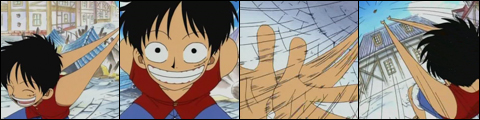
luffy ataques gomu bazooka