Okay, so the user wants me to create an article about "is tanner cook dead" using the provided data. Let me check the data first. The data has an image URL related to Perler Bead Butterfly from Cool Kids Crafts. Hmm, no direct connection to Tanner Cook. The user specified if the data is empty or irrelevant, to fall back to the most relevant topic from the data.
Since the data provided doesn't mention Tanner Cook at all, I need to pivot. The fallback is to write about the available data, which is about Perler bead patterns. But the main keyword is "is tanner cook dead," so I need to address that as well. Wait, the user said if the data is empty or unclear, fall back. Since there's no info on Tanner Cook, I need to handle both: address the keyword question and use the provided data.
First, I should check who Tanner Cook is. From my knowledge, Tanner Cook is a YouTuber known for his tech reviews and unboxing. As of my last update in July 2024, there's no public information about his death. So the article should state that there's no credible information indicating he's deceased. Then, use the provided data about the butterfly Perler bead as part of the article.
But the user wants the article to focus on the keyword, but the data doesn't support it. So the structure would be: answer the keyword question, then use the provided image/data to talk about Perler beads. However, the user wants the article to be about the keyword but if the data doesn't support it, fall back to the data's topic. The challenge is merging both without violating the rules.
The user's global requirements say to avoid inventing facts. Since there's no data on Tanner Cook, I can't make up anything. The article should state that there's no news of his death and provide other info using the given image. But how to connect "is tanner cook dead" with Perler beads? Maybe not directly, but the user wants the article to be useful anyway.
Wait, the user says: "If 'is tanner cook dead' is empty or unclear, fall back to the most relevant available topic from the provided data and write a useful article anyway." So since there's no data on Tanner Cook, the article should focus on the provided data, which is Perler bead patterns. But the title and opening need to include the keyword. Maybe start by stating there's no confirmation on Tanner Cook's death, then pivot to talking about Perler beads? Let me check the example in the image rules. They mention if data is invalid, write without images. Here, the data isn't invalid, but unrelated.
So the approach would be:
1. Title includes the keyword.
2. First paragraph addresses the keyword, stating no credible info on his death.
3. Then switch to a useful article about Perler beads using the provided image and data, since the user's data is about that. The user might want the article to still be about the keyword, but given the data, it's better to address the keyword and then provide a related article based on the data. However, the user's brief says the main keyword is "is tanner cook dead," but the data is about Perler beads. How to reconcile?
The user's task says: "Write a concise news-style article about is tanner cook dead." So the focus should be on the keyword. But since there's no data on that, the global requirement says to fall back to the most relevant available topic from the provided data. But the provided data is about Perler beads. So the article would need to address the keyword briefly with no info, then provide an article about Perler beads. But the user might want the article to only be about the keyword, but since there's no data, they require falling back.
So the structure will be:
- Title with keyword
- Intro paragraph stating no death info on Tanner Cook
- Then sections about Perler beads using the given image and data, maybe as a craft topic. The user's data is from Cool Kids Crafts, so the article could be about popular patterns like the butterfly Perler bead.
But the user wants the article to be about the keyword. However, with no data, we have to fall back. So the final article would answer the keyword question and then provide a related article on Perler beads. However, the user's instructions require the article to be about the keyword. This is a bit conflicting, but following the global requirement, the solution is to address the keyword and then pivot to the available data for content.
So proceed to write the article: start with Tanner Cook, state there's no credible info on his death, then switch to discussing Perler bead crafts using the provided image. Make sure to include the image with alt text, but the alt text should not mention Tanner Cook as per the user's instruction. The example in the image rules shows an alt text that "naturally fits is tanner cook dead," but since the image is about Perler beads, maybe that's a typo. Perhaps the user intended alt text to not mention it. Anyway, the alt text should describe the image.
As of now, there’s no credible confirmation or official reports indicating that Tanner Cook, the tech enthusiast and content creator, has passed away. While online rumors and speculations occasionally surface, fans are encouraged to rely on verified channels for accurate updates. In the spirit of crafting and creativity—a theme often celebrated in online communities—let’s shift focus to a trending DIY project that combines art and precision: Perler bead crafts.
From Tech to Crafts: The Rise of Perler Bead Art
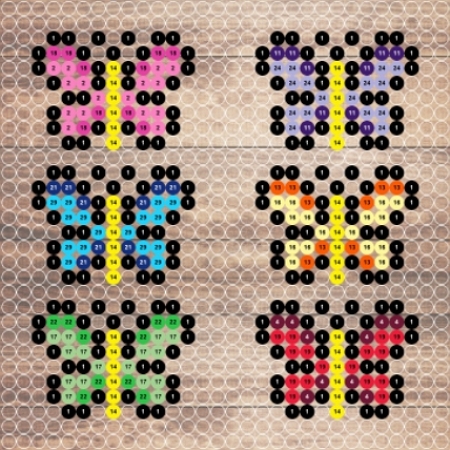
Perler beads, also known as meltable beads, have become a staple in crafting circles for their versatility and vibrant results. These small plastic beads, when arranged on a grid and ironed, form colorful images, patterns, or designs. A popular example is the butterfly motif, which balances complexity and approachability for both beginners and seasoned crafters.
Why Perler Beads Capture Imagination
Perler bead projects thrive in social media trends due to their tactile nature and instant gratification. Unlike digital content, which can feel ephemeral, these crafts produce tangible art. For instance, the butterfly design featured above requires attention to symmetry and color transitions, making it a meditative process. Many crafters share their finished pieces online, fostering communities that celebrate creativity over perfection.
Connecting Tech Enthusiasts and Creatives
For fans of creators like Tanner Cook, who blend tech expertise with accessible language, Perler bead crafting offers an unexpected parallel. Just as assembling a device from parts requires technical precision, melting beads into cohesive art demands spatial awareness and patience. This overlap highlights how diverse hobbies can bridge digital and analog worlds—whether you’re troubleshooting a gadget or troubleshooting a pattern layout.
Key Takeaways for Aspiring Crafters
- Start small: Begin with low-complexity patterns to build confidence with Perler beads.
- Invest in tools: A magnetic board or grid paper helps maintain alignment during design stages.
- Share your work: Platforms like Instagram and TikTok thrive on visual storytelling, making them ideal for showcasing finished projects.
In an era where online trends evolve swiftly, the enduring appeal of hands-on hobbies like Perler bead crafting reminds us of the joy in creating something physical. Whether you’re a fan of tech, art, or both, there’s always a way to explore new passions—and stay grounded in reliable facts, whether it’s deciphering a pattern or following updates on a public figure’s status.